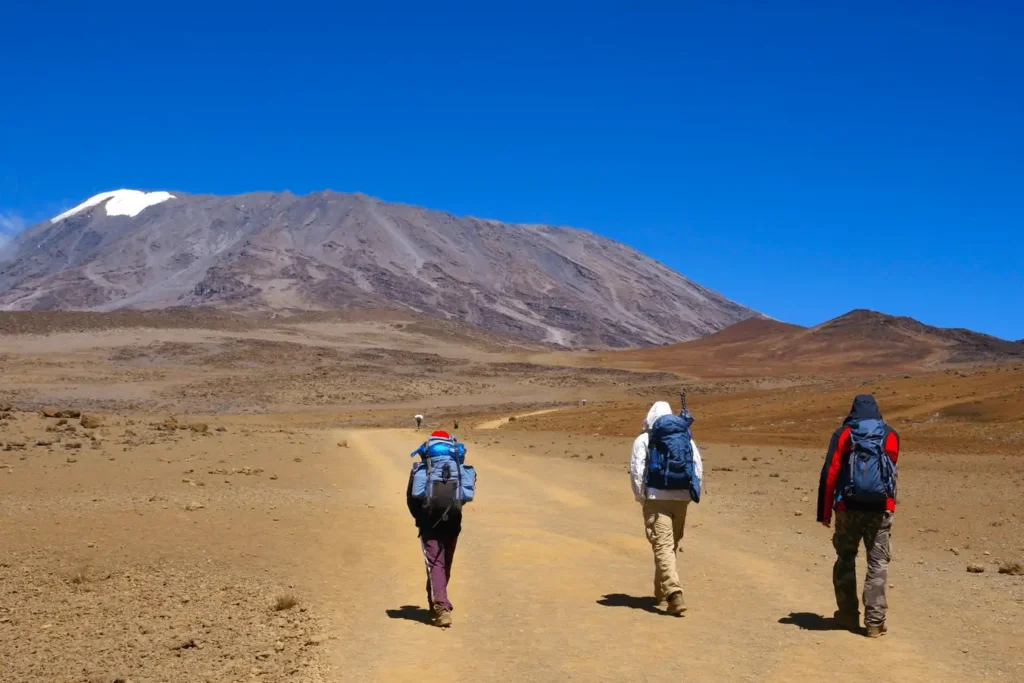
A Complete Guide to Climbing Mount Kilimanjaro

Home > Mountain Climbing Articles > Complete Guide to Climbing Mount Kilimanjaro

A COMPLETE GUIDE TO CLIMBING MOUNT KILIMANJARO: ROUTES, COSTS, AND PREPARATION TIPS

Mount Kilimanjaro, standing at 5,895 meters (19,341 feet), is Africa’s highest peak and one of the most iconic mountains in the world. Climbing Kilimanjaro is a once-in-a-lifetime adventure that attracts trekkers from across the globe. This guide by NK Safaris provides everything you need to know about routes, costs, preparation, and tips for a successful climb, ensuring your journey to the “Roof of Africa” is both safe and memorable.

Understanding Mount Kilimanjaro

Mount Kilimanjaro is a dormant volcano composed of three volcanic cones: Kibo, Mawenzi, and Shira. Kibo is the highest and where the summit, Uhuru Peak, is located. Climbers pass through five distinct ecological zones during the ascent: rainforest, moorland, alpine desert, arctic summit, and glacier. Each zone offers unique scenery and wildlife, making the trek an unforgettable experience.

Kilimanjaro does not require technical climbing skills, but altitude and endurance are major challenges. Most climbers rely on professional guides and porters for safety, navigation, and support.

Best Routes to Climb Kilimanjaro

There are several established routes to the summit, each with its own characteristics, scenery, and difficulty level:

  1. Machame Route
    • Duration: 6–7 days
    • Known as the “Whiskey Route,” it is scenic and challenging with high success rates.
    • Offers beautiful views of rainforest, moorlands, and glaciers.
  2. Lemosho Route
    • Duration: 7–8 days
    • Highly scenic, less crowded, and offers excellent acclimatization.
    • Passes through Shira Plateau and Western Breach for spectacular panoramas.
  3. Marangu Route
    • Duration: 5–6 days
    • Known as the “Coca-Cola Route,” it is considered the easiest with hut accommodations.
    • Less scenic than Lemosho or Machame but provides a more comfortable trekking experience.
  4. Rongai Route
    • Duration: 6–7 days
    • Approaches from the north, offering fewer crowds and a drier climate.
    • Suitable for climbers looking for a quieter experience.
  5. Northern Circuit Route
    • Duration: 8–9 days
    • The newest and longest route, providing the best acclimatization.
    • Combines views of the western and northern sides of the mountain.

Costs of Climbing Mount Kilimanjaro

The cost of climbing Kilimanjaro varies depending on the route, duration, level of accommodation, and type of operator. Approximate costs per person include:

  • Budget Packages: $1,500–$2,000
    • Typically includes basic tents, meals, guides, and park fees.
  • Mid-range Packages: $2,500–$3,500
    • Includes higher-quality tents or huts, better meals, and experienced guides.
  • Luxury Packages: $4,000–$6,000
    • Offers premium services, private guides, luxury camps, and full support.

At NK Safaris, we provide transparent pricing and fully customizable packages to match your preferences, ensuring you receive excellent value without compromising safety or experience.

Preparation Tips for a Successful Climb

  1. Physical Training
    • Cardiovascular exercises, hiking with a weighted backpack, and stair climbing improve stamina.
    • Begin training at least 6–8 weeks before your climb.
  2. Acclimatization
    • Take your time on the mountain to avoid altitude sickness.
    • Longer routes, such as Lemosho or Northern Circuit, provide better acclimatization.
  3. Gear and Equipment
    • Layered clothing is essential due to changing temperatures.
    • Trekking poles, gloves, hats, and sturdy boots are highly recommended.
    • Sleeping bags rated for sub-zero temperatures are necessary for summit nights.
  4. Hydration and Nutrition
    • Drink 3–4 liters of water per day.
    • Eat high-energy snacks and balanced meals to maintain stamina.
  5. Health Considerations
    • Consult a physician if you have medical conditions.
    • Carry medications for altitude sickness, headaches, and minor injuries.

Choosing the Right Operator

Selecting a reliable tour operator is critical for a safe and successful climb. NK Safaris offers:

  • Experienced guides and porters familiar with Kilimanjaro’s terrain.
  • Customized itineraries for all fitness levels and desired routes.
  • Full logistical support, including transport, accommodation, meals, and emergency response.
  • Emphasis on responsible tourism and support for local communities.

When to Climb Kilimanjaro

The best times to climb are during Tanzania’s dry seasons:

  • January to March: Fewer crowds, stable weather, and clear skies.
  • June to October: Peak season with the best summit conditions.

Avoid climbing during the rainy seasons (April–May and November) due to slippery trails and poor visibility.

Why Climb with NK Safaris

At NK Safaris, we ensure that every climber receives personalized guidance, safety, and comfort. Our goal is not only to help you reach the summit but also to enjoy the journey, experiencing Kilimanjaro’s stunning scenery, wildlife, and diverse ecosystems along the way. With our expert team, your climb becomes a memorable adventure of a lifetime.

Contact NK Safaris to Plan Your Climb

Book your Kilimanjaro adventure today with NK Safaris and experience the thrill of Africa’s highest peak.