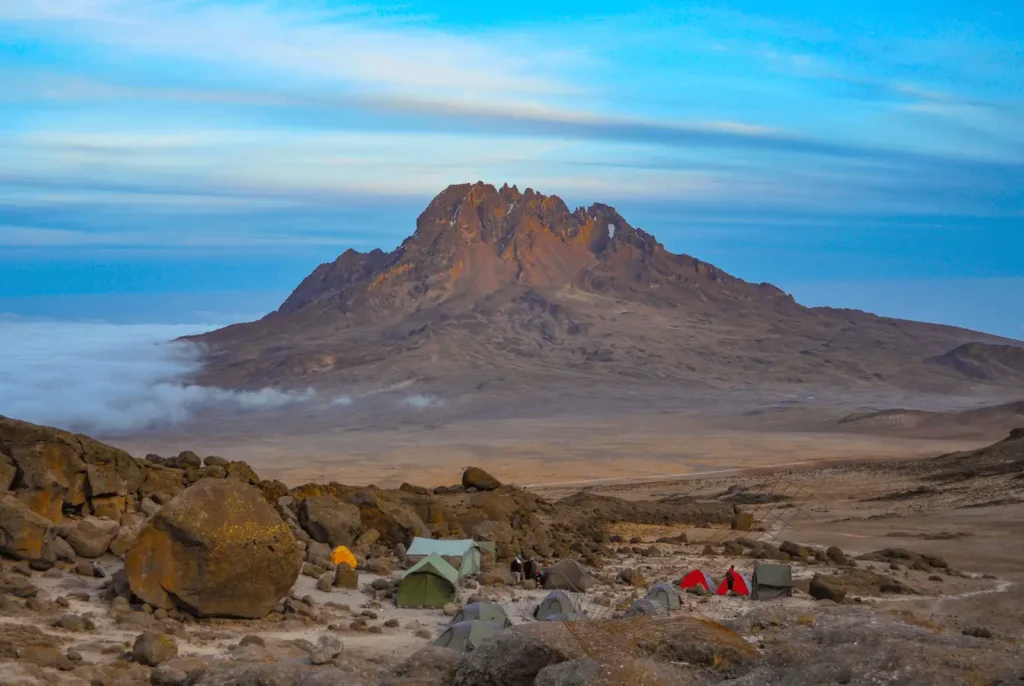
TREKKING SAFETY AND ENVIRONMENTAL CONSERVATION IN TANZANIA
Tanzania’s mountains, including Mount Kilimanjaro and Mount Meru, offer some of Africa’s most iconic trekking experiences. However, trekking in these regions requires careful attention to safety, preparation, and environmental conservation. Responsible trekking not only protects climbers but also preserves the natural beauty and ecosystems that make Tanzania a world-class destination. This guide by NK Safaris highlights essential safety practices and conservation tips for trekkers.
Understanding Trekking Risks
While Tanzania’s mountains are accessible to non-technical climbers, several hazards can affect safety:
- Altitude Sickness: The most common risk, caused by ascending too quickly. Symptoms include headache, nausea, dizziness, and fatigue. Proper acclimatization is crucial.
- Weather Conditions: Mountains can experience sudden changes in temperature, heavy rain, strong winds, or snow at higher altitudes.
- Terrain Challenges: Rocky paths, slippery slopes, and steep inclines require sturdy footwear and careful attention.
- Wildlife Encounters: While rare, some wildlife at lower elevations, especially on Mount Meru, can pose risks if approached incorrectly.
Following recommended safety protocols ensures a safe and enjoyable trekking experience.
Essential Safety Tips for Trekkers
- Climb with Experienced Guides: Licensed guides provide navigation, emergency support, and advice on pacing and acclimatization.
- Acclimatize Properly: Ascend slowly, take rest days, and consider longer routes to allow your body to adjust to high altitudes.
- Stay Hydrated and Eat Well: Drink 3–4 liters of water daily and eat balanced meals to maintain energy levels.
- Carry the Right Gear: Layered clothing, trekking poles, gloves, hats, sturdy boots, and high-altitude sleeping bags are essential.
- Follow the “Leave No Trace” Principle: Minimize your impact by staying on marked trails, carrying out all trash, and respecting wildlife.
- Know Emergency Procedures: Be aware of first aid procedures, altitude sickness treatment, and park emergency protocols.
By following these measures, climbers reduce risks and ensure a safer trekking experience.
Environmental Conservation While Trekking
Tanzania’s mountains are fragile ecosystems, home to unique plants, animals, and glaciers. Trekking responsibly helps preserve these environments for future generations. Important conservation practices include:
- Avoid Littering: Carry all waste back to base camps or disposal areas.
- Stay on Designated Trails: Protect vegetation and prevent soil erosion.
- Respect Wildlife: Observe animals from a distance and avoid disturbing their natural behaviors.
- Use Eco-Friendly Products: Biodegradable soaps and minimal plastic use help reduce environmental impact.
- Support Local Communities: Use local guides, porters, and accommodations to contribute to the local economy and conservation efforts.
Responsible trekking ensures Tanzania’s mountains remain pristine for future climbers and wildlife alike.
Choosing a Responsible Operator
Selecting a professional and ethical operator is essential for safety and conservation. NK Safaris provides:
- Experienced guides trained in first aid, altitude management, and environmental stewardship.
- Porters to safely carry equipment, reducing strain on climbers.
- Eco-friendly practices, including waste management, water conservation, and supporting local communities.
- Customized itineraries that balance adventure, safety, and environmental responsibility.
Preparing Mentally and Physically
Safety and conservation also involve preparation beyond physical fitness:
- Mental Preparation: Understand the challenges of high-altitude trekking and remain patient, positive, and flexible.
- Fitness Training: Cardio, strength training, and hiking practice help prevent injuries and fatigue.
- Education: Learn about the mountain’s environment, wildlife, and cultural significance to appreciate and protect the ecosystem.
Conclusion
Trekking in Tanzania’s mountains is a rewarding and transformative experience. By prioritizing safety and environmental conservation, climbers can enjoy their adventure while minimizing risks and protecting the natural heritage of these iconic peaks. Choosing a trusted operator like NK Safaris ensures professional guidance, responsible practices, and unforgettable memories.
Plan your next mountain adventure with NK Safaris and experience Tanzania’s majestic landscapes safely and responsibly.